
Welcome to our Weekly Newsletter 21st October

22.10.26 10:21 AM - By Chris Horsley

Welcome to Our Weekly Newsletter

Welcome to this week’s Energy Costs Managed newsletter. As we move further into autumn, wholesale energy markets continue to present a mixed picture for UK businesses. Recent movements show that some future gas and electricity prices have edged lower, while other periods have seen increases.


For businesses, understanding these changes is about more than following the market day to day. Contract renewal dates, purchasing strategies and the timing of procurement decisions can all influence future energy costs.


In this week’s newsletter, we examine the latest wholesale price movements, explain why different delivery periods can move in opposite directions and highlight practical steps businesses can take to prepare for their next energy contract.


Wholesale Energy Markets: Why Timing Matters

Wholesale energy prices rarely move in a straight line. Prices for different delivery periods can rise or fall at the same time, reflecting changing market expectations, supply and demand, weather forecasts and wider economic developments.

For businesses planning ahead, this creates an important distinction: a change in wholesale prices does not automatically translate into an equivalent change in the contract price available to your organisation.

Understanding your renewal date and the structure of your existing agreement can help you assess market movements in the context of your own energy requirements.

Here are five considerations for businesses reviewing their energy position.


Look Beyond the Headlines

Headlines about falling or rising energy prices rarely tell the whole story.

Wholesale prices vary depending on when the energy will be delivered. A contract covering the coming winter may be influenced by different market factors from one covering spring or summer 2027.

Rather than focusing on a single price movement, consider how the periods relevant to your business are changing and whether they align with your anticipated renewal date.


Understand Why Gas and Electricity Prices Differ

Gas and electricity markets are closely connected, but they do not always move in the same direction or by the same amount.

Gas prices can be influenced by storage levels, weather forecasts, international supply and demand, and geopolitical developments. Electricity prices are also affected by generation availability, renewable output, interconnector flows and the cost of fuels used in power generation.

These factors help explain why prices for different delivery periods can show contrasting movements.


Know When Your Contract Is Due for Renewal

Your renewal date is one of the most important factors in planning your energy procurement.

If your electricity or gas contract expires within the next 12 months, reviewing your options early can give you more time to understand available purchasing approaches and assess how they fit your business.

Early preparation also helps avoid leaving important decisions until the last minute, when time for reviewing terms and comparing options may be limited.


Review Your Total Energy Costs

Wholesale prices are only one part of the overall cost of supplying energy to a business.

Standing charges, network costs, policy-related charges, consumption patterns and the terms of your contract can all influence the amount you pay.

If your energy expenditure has changed, reviewing the full breakdown can help you identify the main drivers and establish whether your current arrangements remain appropriate.


Build a Procurement Strategy Around Your Business

There is no single approach to energy procurement that suits every organisation.

Some businesses prioritise budget certainty, while others may have greater flexibility around purchasing decisions. Your energy consumption, cash flow, operational requirements and tolerance for price changes should all be considered when reviewing your options.

Rather than attempting to predict every market movement, a structured approach to contract planning can help you make decisions that reflect your business priorities.


Make Your Next Energy Decision with Confidence
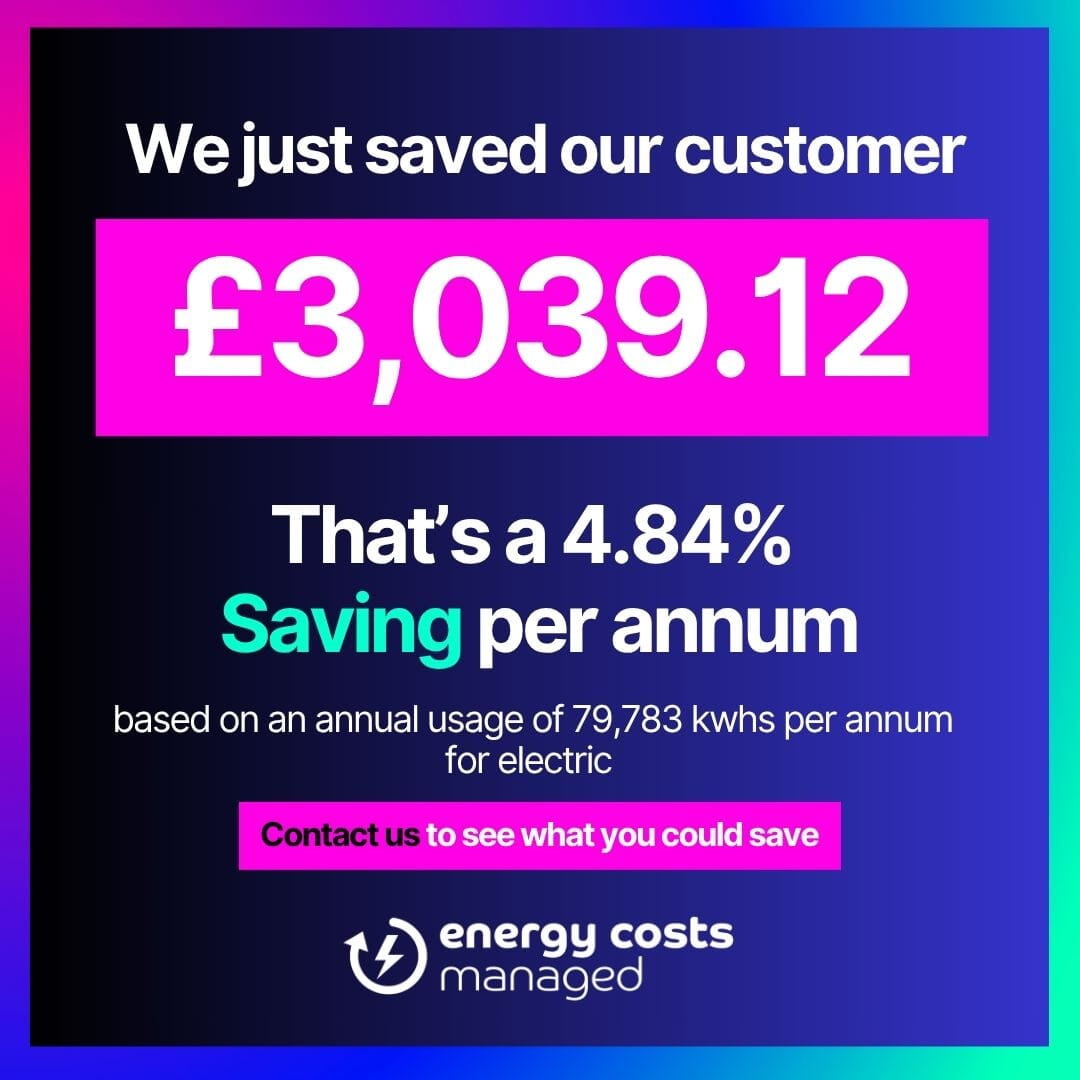
At Energy Costs Managed, we help businesses understand their energy arrangements and make more informed decisions about procurement and ongoing energy management.


Wholesale market movements are important, but they are only one part of the picture. Understanding your contract, consumption requirements and renewal timeline can help you assess your options more effectively.


If your energy contract is due for renewal within the next 12 months, now is a good opportunity to review your position.

Wholesale Energy Market 

Week to Date - 14 October to 21 October

Gas

  • November 2026: ↓ 216.01p to 215.22p/therm

  • December 2026: ↓ 218.98p to 218.18p/therm

  • March 2027: ↓ 209.01p to 207.99p/therm

  • June 2027: ↑ 156.28p to 165.99p/therm

Electricity

  • October 2026: ↓ £171.71 to £170.22/MWh

  • December 2026: ↓ £170.50 to £168.95/MWh

  • March 2027: ↓ £162.87 to £162.07/MWh

  • June 2027: ↑ £125.87 to £130.16/MWh


Wholesale energy markets remain highly volatile. The prices shown are indicative only and are intended to illustrate wholesale market movements. They should not be considered an offer to supply, a guaranteed contract price, or financial/trading advice.

Thanks for reading this week's market update.

Thank you for reading this week’s Energy Costs Managed market update.

We’ll be back next week with the latest wholesale energy developments, practical business energy guidance and insights to help you manage your energy expenditure.


If your contract renewal is approaching, or you would simply like to understand your current energy arrangements better, our team is here to help.


Have a great weekend!

Chris Horsley

Chris Horsley

Chris Horsley